Revolutionaries of Bharat
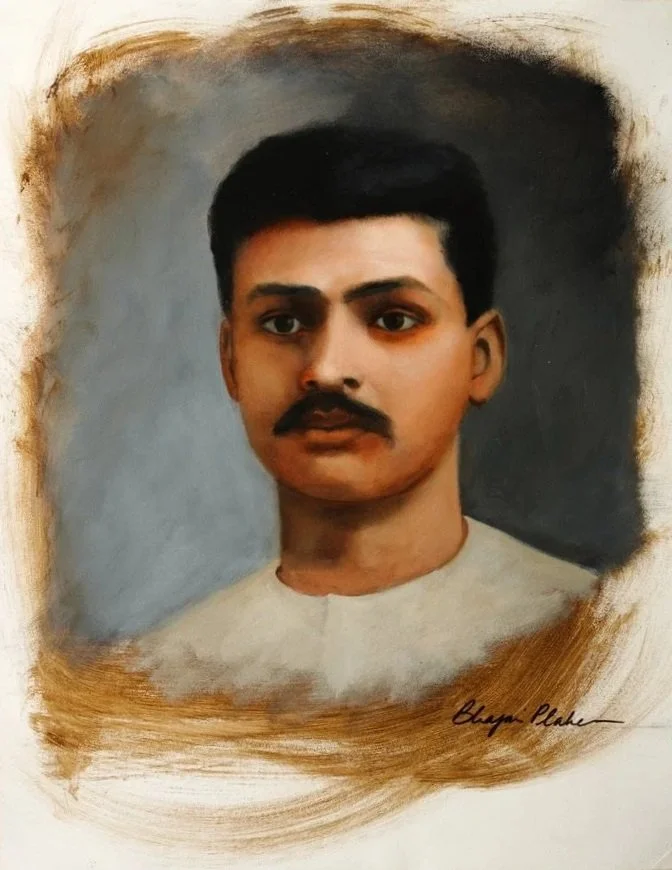
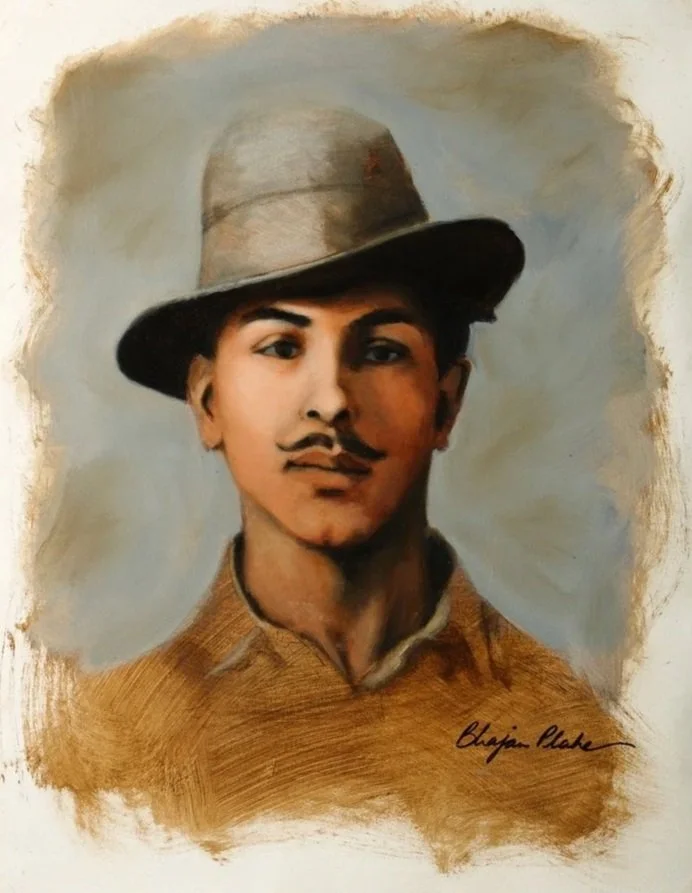
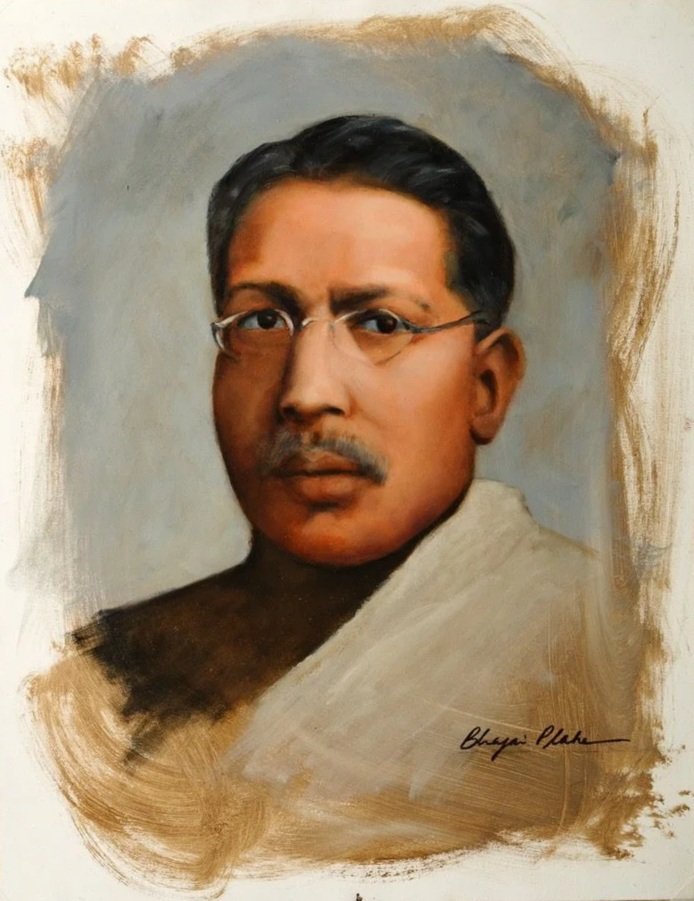
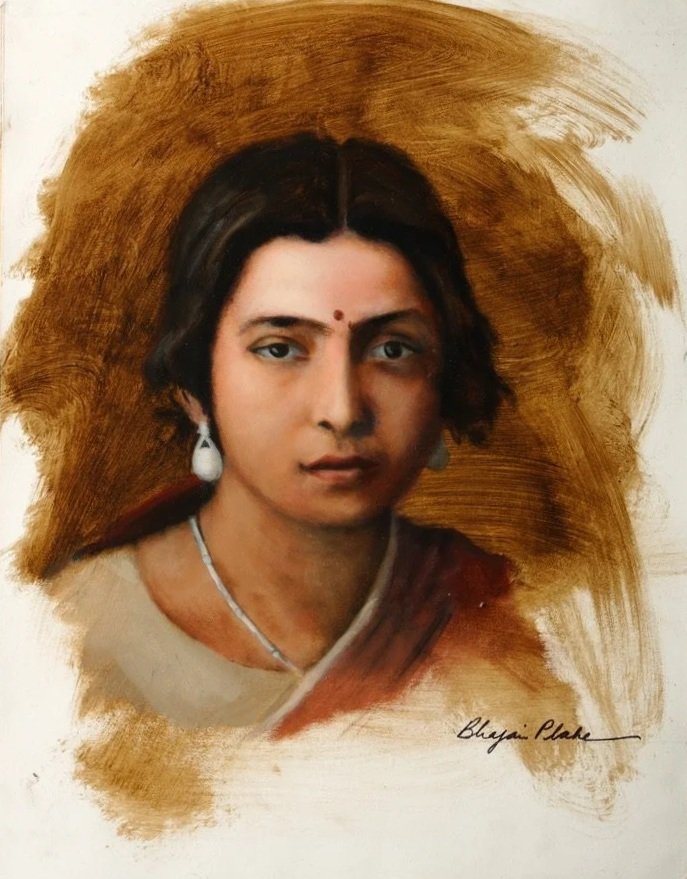
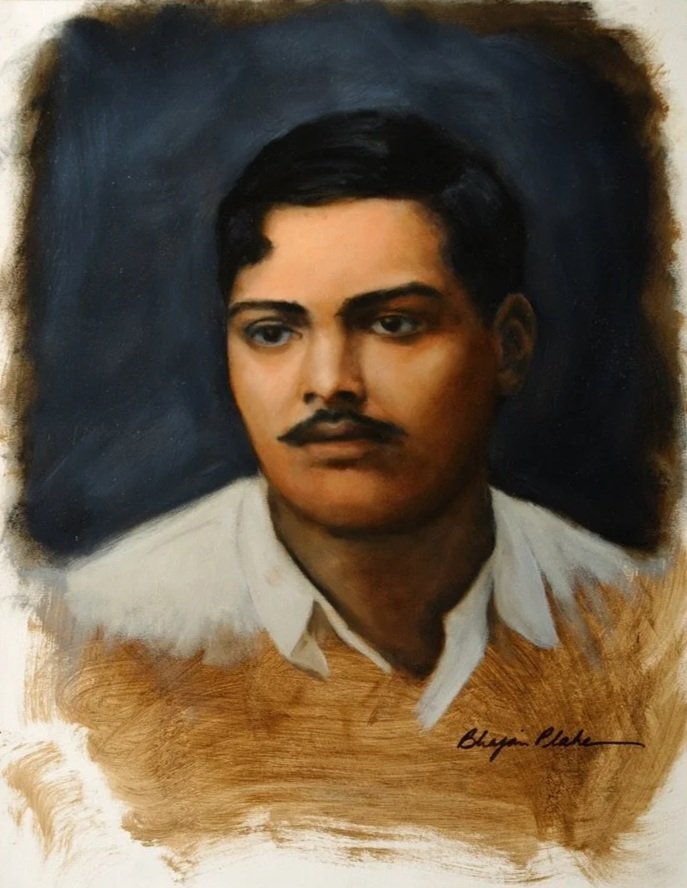
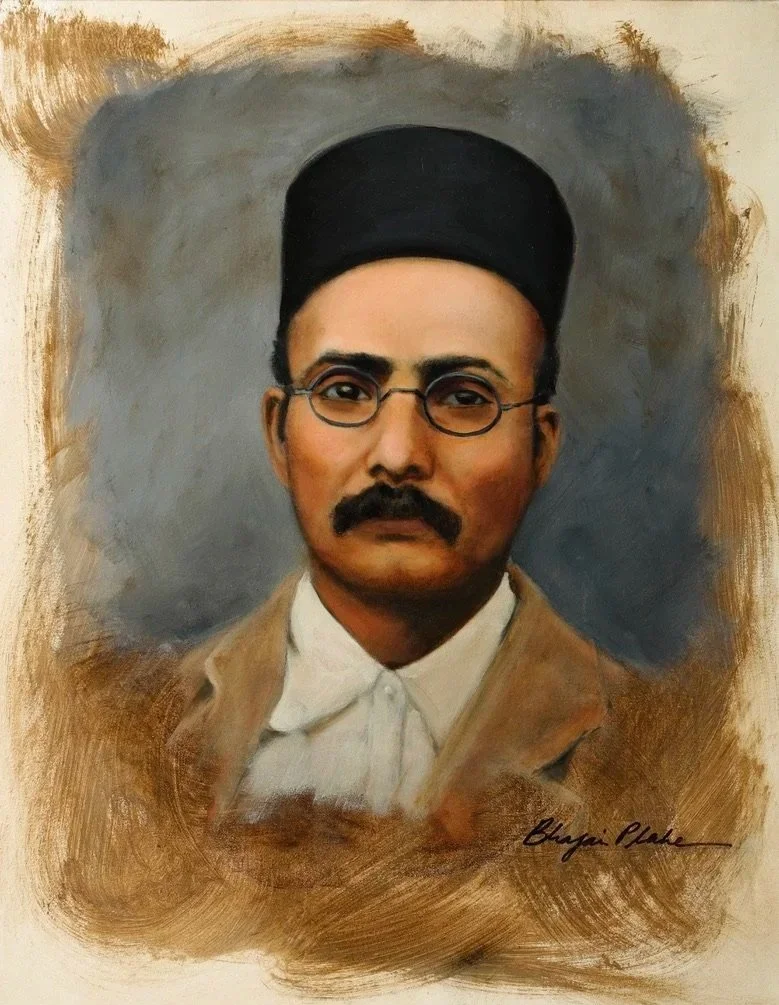
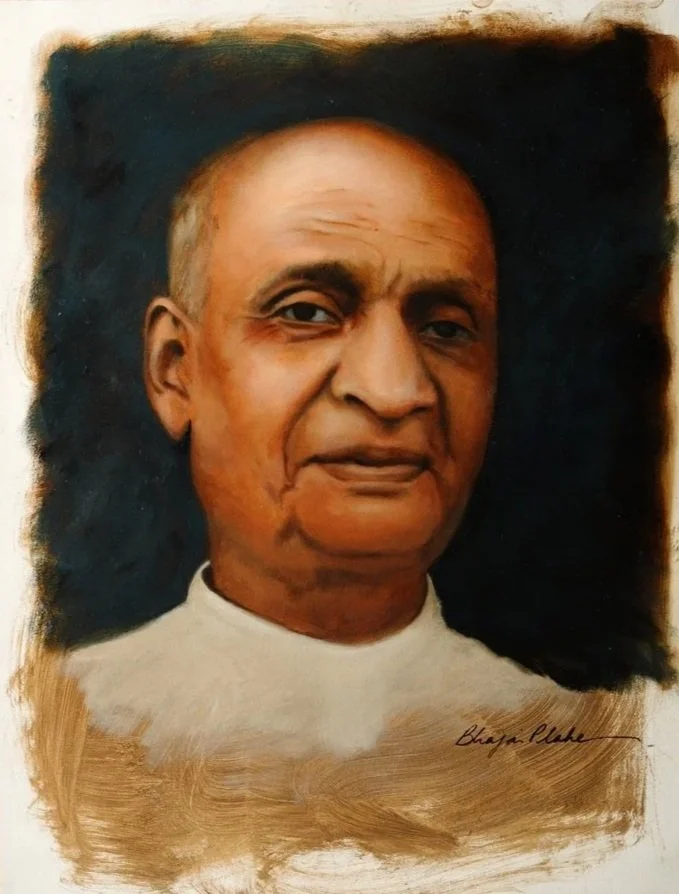
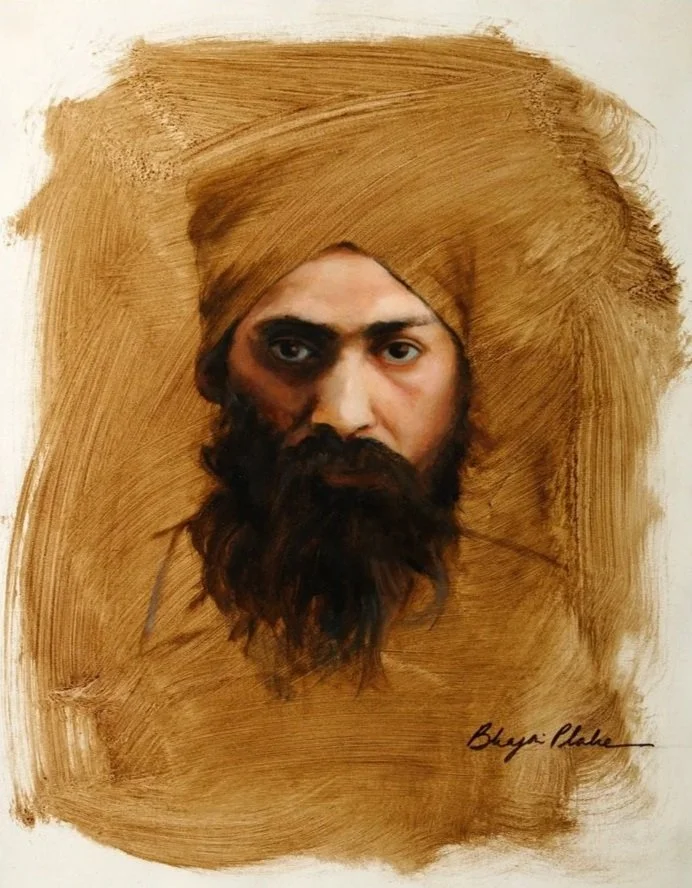
Revolutionaries of Bharat is a collection of fifteen portraits honouring men and women who gave their courage, intellect and, in many cases, their lives to India’s struggle for freedom.
I created this series because I wanted to bring these figures into the present—not simply as names from history, but as individuals whose strength, sacrifice and conviction still have meaning today. Some are widely known, while others are not remembered as often as they should be. Through portraiture, I wanted to give each person a sense of presence and individuality, and to make their stories feel immediate and human.
Although I live in Australia, Bharat (India) remains deeply connected to my identity and to the values that shaped me. This collection became a way of honouring that connection and of expressing gratitude to those whose actions helped shape the country. It also allowed me to reflect on courage, freedom, duty and the strength required to stand for something greater than oneself.
The series was created in oil using the principles of Classical Realism and the techniques I have developed through my training with Maestro Michael John Angel. His teaching has been instrumental in helping me give structure, dignity and life to each portrait.
I was also supported throughout the project by my family and friends, whose encouragement helped me continue through the intensity of creating fifteen portraits in a concentrated period.
For me, this collection is both personal and historical—a tribute to those who helped shape Bharat and an attempt to preserve something of their spirit through paint.
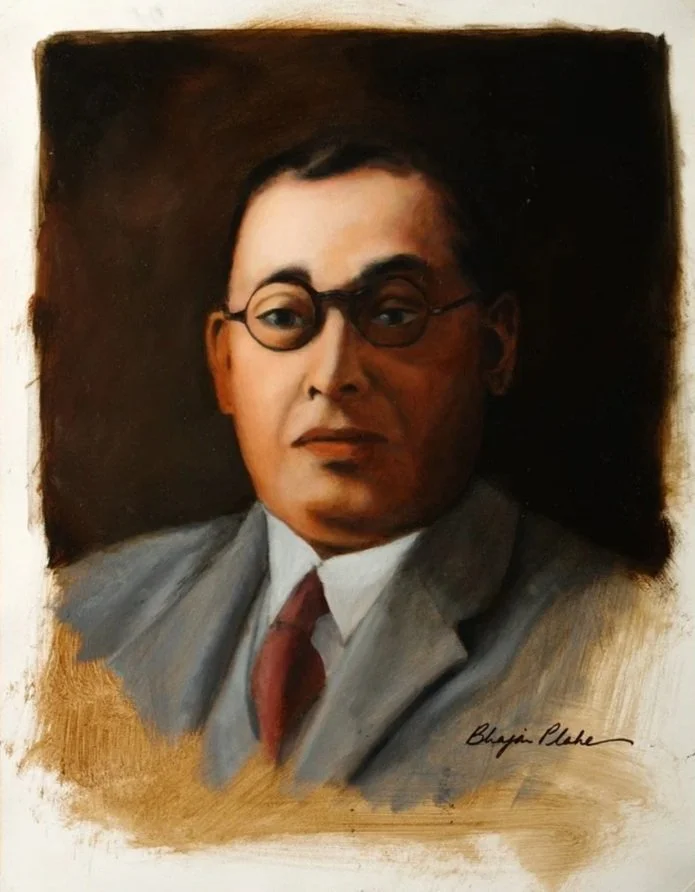
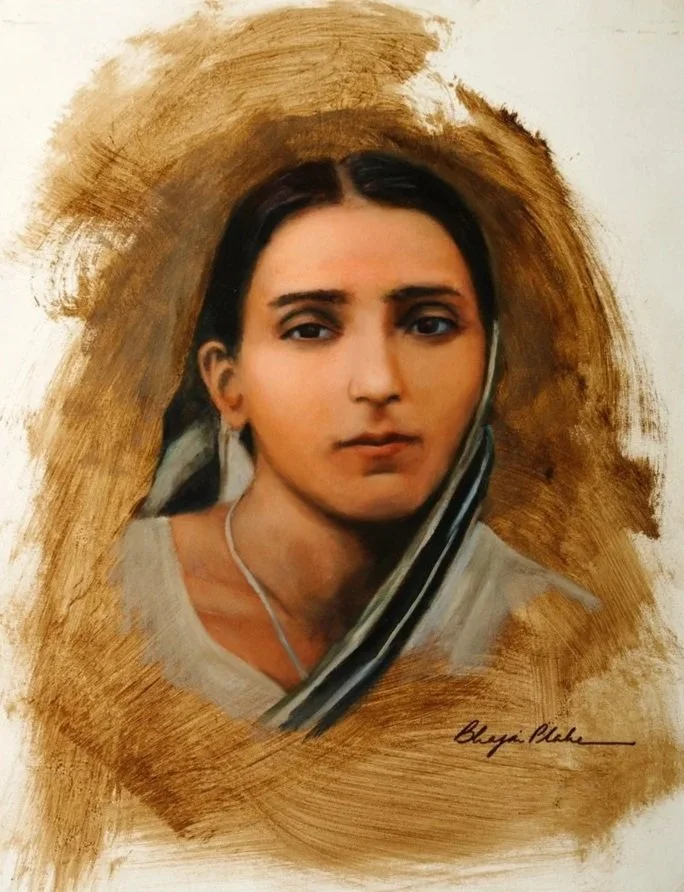
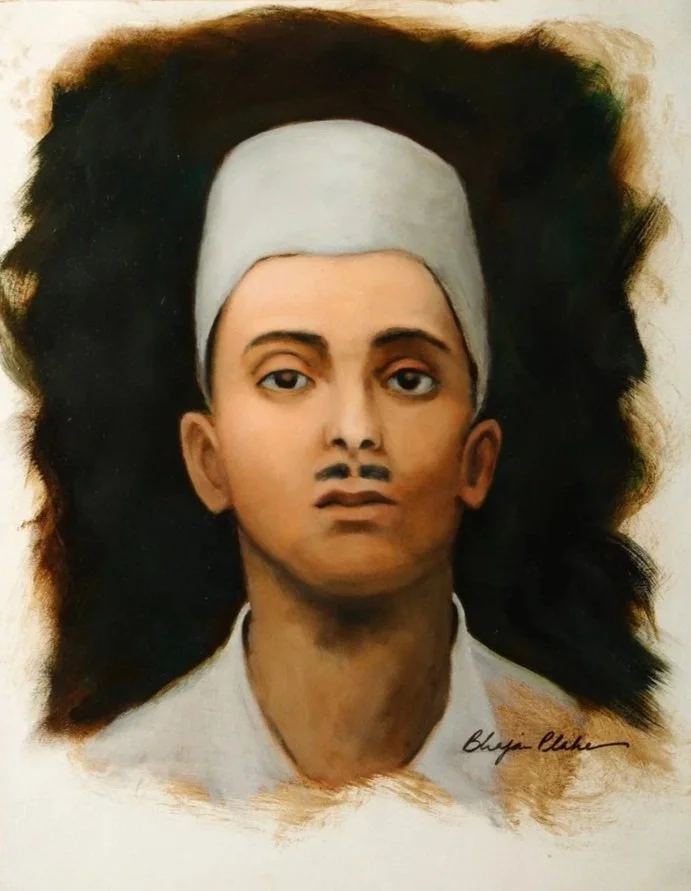
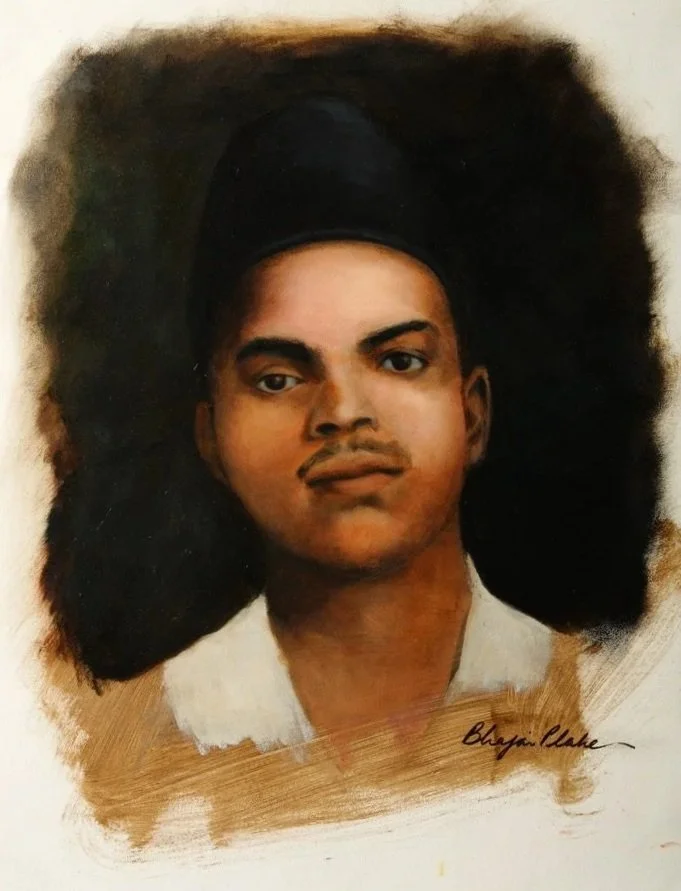
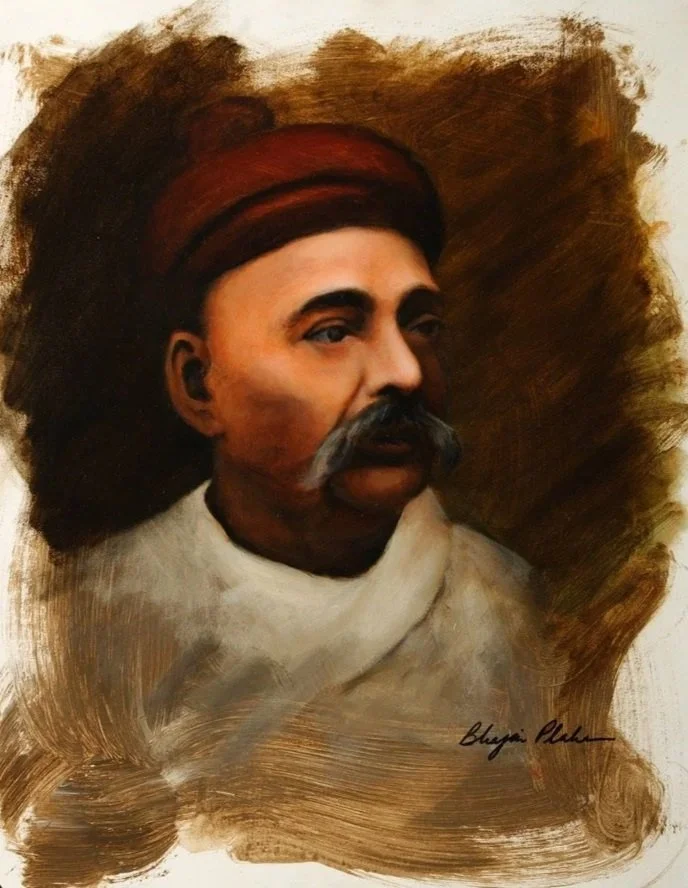
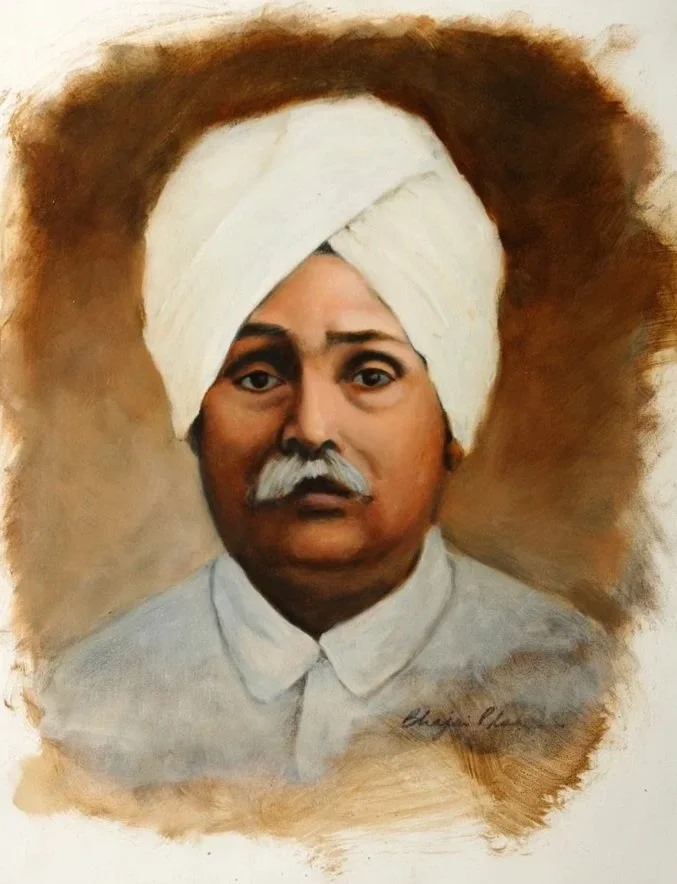
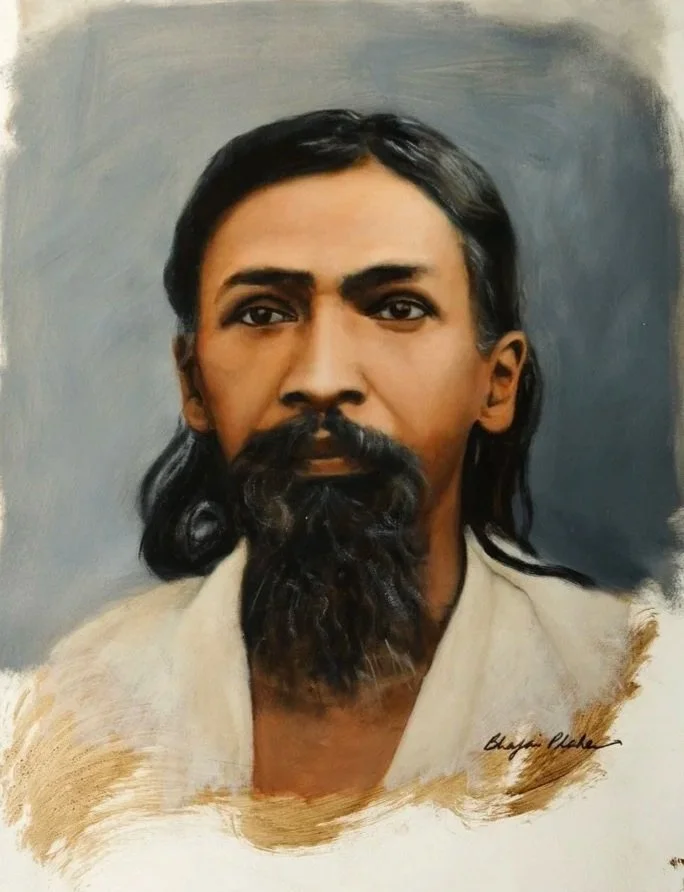
The Process
began the Revolutionaries of Bharat series in mid-July 2023, working intensively across the collection before completing and sharing one portrait each day from 1 to 15 August. The final painting, of Sri Aurobindo, was completed on 15 August—his birthday and India’s Independence Day.
Each portrait followed the classical process I had been taught through my training with Maestro Michael John Angel. I began with a campitura to establish the ground, followed by the notan to organise the main pattern of light and dark. From there, I developed the underpainting and grisaille, carefully resolving the drawing, design, values and structure before introducing colour.
The first colour stage generally took two sittings, followed by a second colour pass over another two sittings. Each painting then received one or two additional sittings for further rendering and refinement.
In preparation for the Revolutionaries of Bharat exhibition, I returned to the paintings to make final adjustments and touch-ups. The completed works were then varnished, bringing greater depth and unity to the colour and preparing them to be presented together as a finished collection.
The project demanded discipline, endurance and trust in the classical process I had been taught.